- Home
- Inflammation
- Abdominal Inflammation
Abdominal inflammation,What are the dangers?
Why should we think about abdominal inflammation?
One of the biggest reasons is that our bowel and the health of it can tell us if we are a healthy person or not.
Ask anyone that has had there whole life affected by any number of chronic bowel problems. They will tell you it is very important to keep infection and inflammation to a minimum.
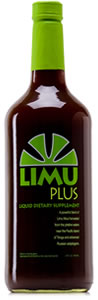
VitaMarks Limu Plus is an anti-inflammatory. It will help to lower an immune system response. Limu has the phytochemical focoidan, plus glyconutrients, glycoprotiens, essential fatty acids amino acids these ar just some of its active ingredients. It will support joint care, improves digestion, helps support the liver, improves blood function [blood flow], and enhances cell and skin growth.
What is abdominal inflammation?
A disease called Peritonitis causes inflammation. Peritonitis is inflammation of the serous membrane covering the abdominal wall and most organs in the body.
Those who have Peritonitis may have one of two major types, primary and secondary Peritonitis. The primary is caused by an infection that was spread through the blood or lymph nodes. The primary type of Peritonitis is very rare and occurs in less than 1 percent of all patients with this type of inflammation disease.
The secondary type of Peritonitis is cause by bacteria that enter the serous membrane from the GI tract, (gastrointestinal tract). Both the primary and secondary types of this abdominal disease can be life threatening.
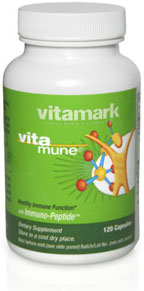
The immuno-peptide in VitaMarks Vita Mune is a sequence of amino acids that support the immune system. Vita Mune offer a natural approach to immune support of the T-cells and macrophage activity.
What are the symptoms of Peritonitis?
Fever and chills.
Little urine production.
Vomiting and Nausea.
Loss of appetite.
Tachy-cardia (fast heart rate)
Increased breathing rate and shallow breathing.
Difficulty or inability to pass gas or have a bowel movement.
What are the Causes of abdominal inflammation?
Secondary Peritonitis is the more common of the two major types of the abdominal disease. It is caused when a tear in the GI or biliary tracts enables bile, bacteria or enzymes to spill over into the serous membrane. This can happen after surgery or if the patient has had their appendix ruptured or another organ is infected.
Primary Peritonitis is caused by an infection in the blood. This generally only occurs in those who have liver disease. This is because fluid can build up in the abdomen, which then creates the perfect place for the growth of infectious microorganisms.
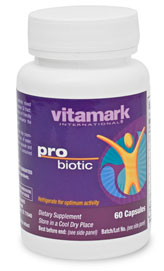
VitaMarks probiotic helps to put back good healthy fora or good bacteria back to its healthy 80% good to 20% bad bacteria ratio. Kills fungus, mold, yeast and bacteria. Slowing down the toxic overload, and inflammatory condition of the GI tract. VitaMarks Probiotic helps with the good management of our GI tract health.
What are the risk factors?
There are several risk factors for both primary and secondary Peritonitis. Those with the primary form of this abdominal disease are at increased risk for liver disease, PID or Pelvic inflammatory disease, fluid in the abdomen, problems with immune system or kidney damage.
Those with the secondary from of the abdominal disease are at increased risk for continuous ambulatory peritoneal dialysis, harm to the pancreas, inflammatory bowel disease, stomach ulcers, twisted or even torn intestine, appendicitis and more.
Peritonitis is a very serious disease and can be life threatening if not treated properly.
It is very important to clean out all the sticky proteins that can build up over time in the intestines. Appendicitis occurs when your body slows down the flow of digestion and fecal matter builds up and inflammation takes place.
Always make sure that complete digestion and elimination takes place.


