- Home
- Lung Inflammation
Lung Inflammation wet or dry.
Lung inflammation can be known as Pleurisy, but why do they call it wet or dry inflammation?
Pleurisy is an inflammation of the lining of the lungs that occurs with pain. This happens when an infection or a damaging agent irritates the lung lining or the pleura. As a result, one experiences sharp chest pains as the main symptom.
Are you in pain?
Do you have inflammation of the lungs?

Are you finding it hard to breath? There are many different diseases that will affect the lungs.
What can you do to help bring more circulation back into the lungs?
What will help to get the tiny capillaries in the lungs to bring more oxygen in and out of the lungs?
Our life depends on the flow of blood and oxygen. The better this flow is the better our lungs will work. Without good blood and oxygen flow we can not have quality of life.
The product you see here Limu Plus is well known to help our lungs, heart, liver and circulatory system. Limu is also an anti-inflammatory. Limu has the phytochemical called fucoidan in it which is the subject of 600 studies and is called "the miracle sea plant". It will assist with joint care, digestion, also helps support the liver enhances cell growth and improves blood function or blood flow.
Limu Plus also has 6 of the 12 adaptogenic plants that are active ingredients which support better focus, mental energy, enhanced sleep less toxicity and much more.
Why take emzymes for any problem with our lungs?
Because Avena's plant enzymes have all of the enzymes needed to help to gobble up fibrin or protein strands in the lining or layers of our lungs which can cause breathing problems, like you would see in pleurisy.
Enzymes are the workers in the body. They activate the many different functions of our body.
Enzymes should be taken with meals to help digest our food, but for healing and repair of our body they should be taken between meals and before going to bed. This is when the major part of healing takes place.

Start today to unstick these layers of the lung by:
Clicking on the buy button below to order your bottle of 500 capsules of enzymes from me today

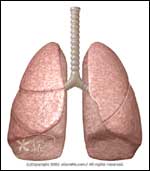
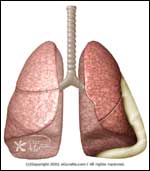
Pleurisy cases are either classified as being "wet" or "dry". The wet kind of lung inflammation is more common and refers to the accumulation of fluid within the spaces of the lining of the lungs. This excess fluid may arise from many different causes. If you have a virus, parasites, or bacteria, these will start the immune response which then leads to inflammation, that causes blood and lymph fluid to accumulate which makes breathing very difficult.
NEW! Would you like to ask me a question just use the form below to do just that. Click HERE or scroll down to the bottom of this page to find or add your question or story. Click here to see what others have shared with us.
Pain occurs with pleural effusion since the fluid which causes the lung inflammation forces the membrane surfaces apart. Therefore, "wet" pleurisy causes even more complications as it places more pressure on the lungs. This may lead to respiratory distress and one’s lung may even collapse.
Dry pleurisy is lung inflammation without the build-up of fluid. This can make the two layers of the pleura rub together and cause pain.
The pleura are composed of two layers. It is made up of an inner layer that surrounds the lungs and the outer layer which lines the chest cavity. These pleural membranes are quite thin and are very close together. A fluid coating sits in the narrow space between the two layers.
The pleura consist of two layers: one that covers the lung and the other that covers the inner wall of a person’s chest. These two layers stay lubricated by the pleural fluid. Pleurisy is often associated with pleural effusion. This is when extra fluid accumulates in the space that separates the two layers of pleura.
What happens when one develops pleurisy?
The following symptoms can occur: stabbing pain in one’s chest that is aggravated by breathing, tenderness in the chest area, cough, and one may also experience shortness of breath.
There can be many causes of pleurisy or lung inflammation.
These include the following: infections, collagen vascular diseases of which rheumatoid arthritis and lupus are two examples, cancers which may include metastatic lung cancer or even breast cancer, tumors that are found in the pleura, heart failure, lung embolism which is when a blood clot is found in a vessel that goes to the lungs.
The obstruction of lymph channels, and trauma such as rib fractures or there could have been an injury from instruments that were placed in the chest during an operation or from a car accident.
Other causes of pleurisy may result from certain drugs, abdominal processes such as cirrhosis of the liver or pancreatitis and lung infarction.
This is when lung tissue dies as a result of the lack of oxygen due to a poor blood supply.
Pleurisy can either go away of its own accord or it can worsen so that fluid has to be drained off from around the lungs. After a person has had pleurisy, scar tissue, called adhesions, may develop.
You may then have chronic pain or will experience shortness of breath. When one develops pleurisy they may experience a sharp chest pain that worsens when a person takes a deep breath or coughs. This type of lung inflammation is known as pleuritic pain.
Related Articles:
If you would like a comprehensive answer to your lung questions please provide as much information in the form below so I can answer you.
I am now charging a Fee of 19.95 for this service.
Just click on the button below:
Lung Inflammation Hot line
Would you like to ask me a question?
Please type your comments into the form below. Then just follow the instructions.
What Other Visitors Have Said
Click below to see contributions from other visitors to this page...
Inflammation, Sharp pain in right Lung, 
I've been having sharp pain in my right rib cage and my right lung off and on for hours every day no coughing no blood but its worrying me.
idk what …
Shortness of brerath
The Doctor told my mother she had fluid on the lungs, and she has shortness of air she had a CT scan, pet scan and it said that her lymph nodes were swollen. …
Inflammation of the Lung, Dry Cough,
I have had 2 courses of antibiotics to rid inflammation from the bottom of my left lung.
Alas it is still there. I presented with a dry non productive …
Sudden shortness of Breath and Coughing
Sometimes i have random nights were something causes me to have coughing fits along with a hard time breathing. I will have to get up because i …
lung inflimmation Not rated yet
I recently went to the doctor. I am having a dull pain in the area of my lungs. They took an x rays and said I have inflimmation in my right lung. I have …
[Lung Problems-help] Not rated yet
I have had this problem since i was twelve.
I go to the doctors and they just tell me to take tylenol but i think i should get it checked out.
…
INTERSTITIAL INFLAMMATION Not rated yet
My husband has been detected with interstitial inflammation in the right lung which has spread to the left lung.
He has been advised CT chest scan to …
Lung Pain and Inflammation Not rated yet
I've been experiencing similar pains as described above.
I have been to a&e and the doctor gave me a strong pain relief and antibiotic it's been 5 days …
Asthma lung inflammation Not rated yet
Hi i was recently diagnosed with asthma. All was going good till a few days ago. I have been experiencing pain in my upper chest when i breathe in.
…
chest pain Not rated yet
Hi I'm Jordyn and I am 15 and I have Rheumatoid Arthritis and I have been having chest plain and it is getting hard to breath. I just got over a cold and …
Inflammation of lungs, Mum in Pain! Not rated yet
Hi,
My mum has been in pain for nearly 6 months now and finally she has her CT Scan Date for Friday but i am very anxious it could be something …
Inflamation in the lungs Not rated yet
Two years ago, I had a carsanoid tumor along with some lymph nods removed from my right lung. The carsanoid was at it's infant stage the size of pin …
My daughter has chest pain Not rated yet
Every now and then my 14yr old daughter experiences lower chest pain, which extends around to her back. It hurts her to breathe, and after xrays, heart …
LYMPHOMA Not rated yet
HI: it is KEVIN
Hi Kevin: You didn't leave me much to go on but that you have cancer of the immune system.
If you would like some help …
Lung problems Not rated yet
I have a pain that is right under my right shoulder blade. It is a chronic pain, that I've had for several yrs now, and getting very frustrated on trying …
Pain Magnet Not rated yet
For 3 wks have been waken wee hours of morning. With sever pain in the right side of chest in the mid torso radiating to back.
Only cure is to sit …
lungs Not rated yet
My Dr said I had lower right lung friction. It come out ok. Dr thought I had nomonya. Now a month later I have a deep ache in back witch seems its …
Bilateral Pulmonary Inflammatory Lesion Not rated yet
Dear Sir
With earnest regards I lay a report for your kind perusal And do oblige me with its fervent answer if possible in no time...
REPORT …
Sever Inflammation in lungs Not rated yet
I have been coughing flam past 3 months now, It sometimes get hard to breath and there are throat noises in the night. Did one course of antibiotics no …
FLUID IN LUNGS AND COUGHING Not rated yet
My brother was admitted to hospital for severe coughing with blood. Treated on strong antibiotics and condition stabilized. However there is much fluid …
Extreme pain when I breath in. Not rated yet
Before i went to sleep last night my back started hurting a little and i thought nothing of it.
When i woke up this morning it hurt breath, sneeze, …
Pleurisy and lung pain Not rated yet
I had Pleurisy about 10 years ago and when the hospital decided with no relief to take a needle and remove the pus from the pleurisy. However my left lung …
Lung Inflammation and pain Not rated yet
Dying for help!
I am a 35 year old male suffering from a severe condition that nobody seems to be able to identify.
Seven years ago i was …
Inflammation in Chest and lungs Not rated yet
I have been diagnosed with pleursy and the first time was in 2007. Since then it has come back and has been bilateral and have had antibiotics, steroid …
Lung Inflammation, Asthma Not rated yet
I went to see an orthopedic surgeon that I was referred to for my lower back pain and he tells me that the pain I feel on one of my ribs on the back right …
Lungs have inflammation Not rated yet
My dad just had open heart surgery and now has lung inflammation and the Doctors said there's noting that they can do?
Hi Abraham
It's good …
Inflammation on the Lung Not rated yet
I had serve pains in the center of my chest i went to hospital i had 5 ecgs which was normal.
3 chest x-rays which was normal this went on for …
SHOULDER PAIN? Not rated yet
I'm experiencing symptoms of Pleurisy, except, the pain shoots to the top of my left shoulder more than it does in my side. I also get cramps in my mid …
Patient with lungs problems and Inflammation Not rated yet
26 years old patient, I have cough problem, expectorated sputum, body temp 37.5 chest pain in right lung, breathing problem, weakness, sweating, so the …
Inflammation of the Lung, Dry Cough Not rated yet
Hi, Ive been diagnosed with Rheumatoid Arthritis over 6 years ago. Ive been taking Salphasalazine till apprx 4 months ago and been prescribed Methotrexate …
Lung Inflammmation Not rated yet
I've had all the symptoms of pleurisy, as described above, and I am treating it with ibuprofen, antibiotics, and beta blockers and water pills. How long …
Inflammation of the lung Not rated yet
I was attacked by a bird, unconscious, infection got into my lung, caused pneumonia, ended up with staph infection or granule disease. Now I have nodules …


