Artery inflammation is preventable
How does artery inflammation start?
It starts when we eat large amounts of pro-inflammatory foods and not enough anti-inflammation foods.
Did you think, you were in the safe zone when you were eating that good old chili dog, pizza, pop, and refined foods. Think again because your cholesterol is going up and up with every chili dog you eat. This can give you something to worry about, (another thing to worry about right!) the health of your heart, inflammation and the pain that comes along with it.
What exactly is inflammation?
It is a process that causes swelling, redness, pain and heat. Here is the way it goes. Imagine twisting your ankle and having it swell up like a grapefruit. Or you catch strep throat and your throat is all sore and inflamed. Get the picture? When everything has run its course, the inflammation goes away.
However, there is an evil side to inflammation – when it does not go away, or shut off after that lung infection or flu bug you've had it can cause damage to the tissue of the body.
An immune system that always remains on alert may cause chronic artery inflammation which can trigger heart disease, cancer, Alzheimer’s disease and diabetes.
Studies suggest that artery inflammation may be a culprit in causing heart disease along with LDL cholesterol.
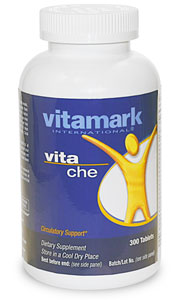
Vita Che has potent health-enchancing properties.
It can relax the blood vessels and regulates blood vessel tone and flexablity this reduces stress on the heart. Improves the circulation, blood flow and helps lower blood pressure.
What are the three triggers that activate artery inflammation?
Three triggers that help fan the flames of inflammation are blood fats which are called triglycerides, LDL cholesterol and an amino acid known as homocysteine. If these elements remain elevated in the blood, they begin to seep into the artery walls and begin decaying.
What is homocysteine?
As I just said it is an amino acid, which is a building block of protein. Homocysteine levels will cause cholesterol to change to oxidized low-density lipoprotein. This can make blood clots form in the arteries easier than they should.
What causes our body to have an excess of Homocysteine?
Not getting enough Vitamin-B especially folic acid.
Not getting enough of Vitamin-B's can trigger off our immune cells. Then immune cells become bloated and combine, resulting in the formation of fatty plaques that are filled with not only cholesterol but the debris from the immune cells which form inside of inflamed arteries.
This inflammatory condition does not stop there. The immune cells cause the plaques to become unstable, like a boil getting ready to pop! When that takes place, the immune system jumps in again and forms blood clots over the open wounds that are located on the artery walls. If the clots become large enough that they block the blood flow, the result is a heart attack or stroke.
You can obtain a simple blood test from your physician called a CRP test that measures the amount of C-reactive protein in your blood. It was found that people who had high levels of C-reactive protein are just as likely as those who have high cholesterol levels to die from a stroke or a heart attack.
This is a silent killer. You are not able to feel it or see it until it becomes full-blown heart disease. There are some biological signs that can detect its presence. One well known indicator is C-reactive protein.
You can obtain a simple blood test from your physician called a CRP test that measures the amount of C-reactive protein in your blood. It was found that people who had high levels of C-reactive protein for artery inflammation are just as likely as those who have high cholesterol levels to die from a stroke or a heart attack.
You can do a great deal to intervene in the artery inflammatory chain reaction that helps to create heart disease because a number of the triggers of artery inflammation are related to one's lifestyle. These include being overweight, smoking, eating a diet that is high in animal protein, having elevated blood sugar and not doing much exercise.
As you can see, artery inflammation leaves you at a greater risk to have a potential heart attack or stroke. To try to ward off this from happening to you, there are a few things you can do.
Stop smoking.
Eat anti-inflammatory foods.


